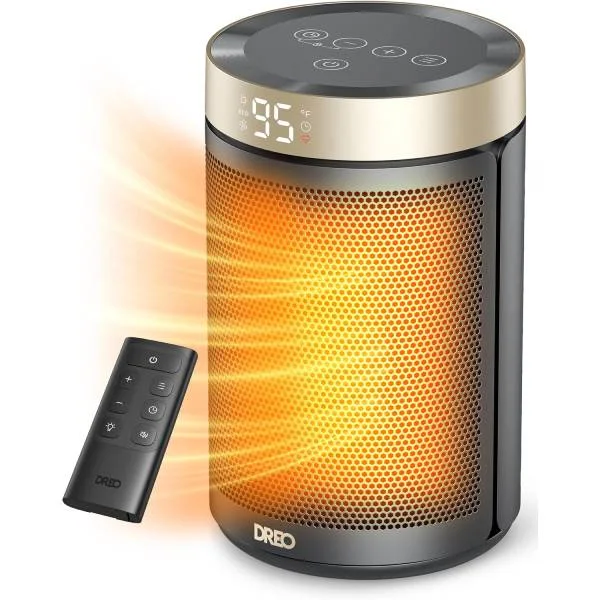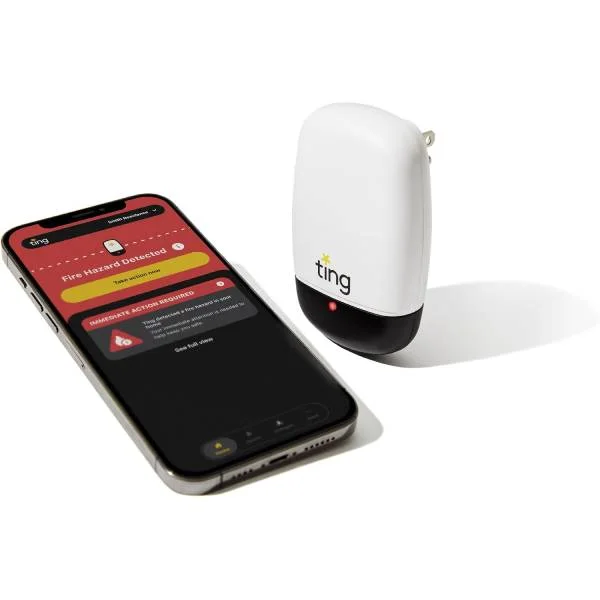
Charlottesville autumns are mild until they aren't. One week you're eating lunch on the Downtown Mall, the next the wind is coming off the Blue Ridge and the back bedroom never quite warms up. A portable heater is an easy fix, but heating equipment is also one of the most common causes of home fires in the cold months. A few habits keep it safe.
Choose safety features first
- Automatic tip-over shut-off so the heater turns itself off if it's knocked over.
- Overheat protection that cuts power when internal parts get too hot.
- A cool-to-the-touch housing, especially with children or pets at home.
- An independent safety certification such as UL or ETL on the label.
Keep a three-foot clear zone
Anything that can burn, including curtains, bedding, sofas, laundry and paper, should stay at least three feet away. Place the heater on a hard, level floor, not on a rug or a piece of furniture.
Plug it straight into the wall
- Skip extension cords and power strips; they can overheat under a heater's load.
- Don't share the outlet with another high-draw appliance.
- If the plug or cord feels hot or looks damaged, stop using the heater.
Turn it off when you leave
Switch the heater off when you leave the room or go to sleep. A model with a built-in timer or thermostat makes this habit automatic.
Back it up with working alarms
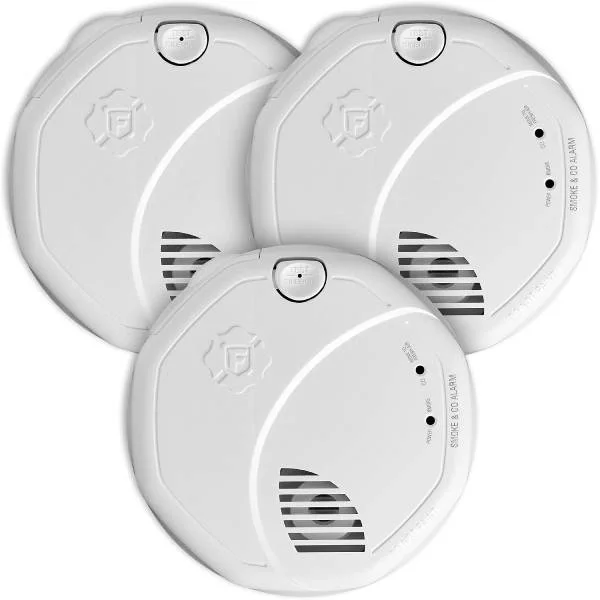
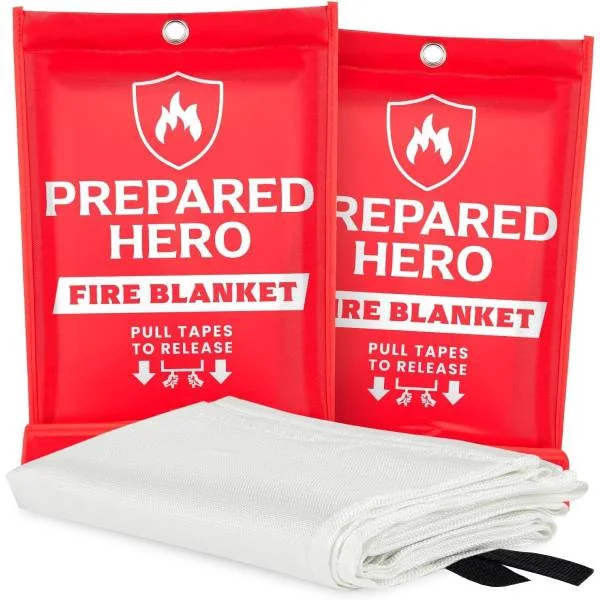
Test smoke and carbon monoxide alarms once a month and replace batteries at least once a year. Keep a fire blanket within reach of the kitchen and make sure everyone at home knows two ways out of every room.
| Do | Don't |
|---|---|
| Keep three feet of clear space | Dry clothes on or near the heater |
| Use a wall outlet | Run it from a power strip |
| Switch off when you go out | Leave it running overnight |
| Test alarms every month | Ignore a hot or frayed cord |
Standard shipping is free over $55. Express orders placed by 1 pm ET usually arrive in about 2 business days.